
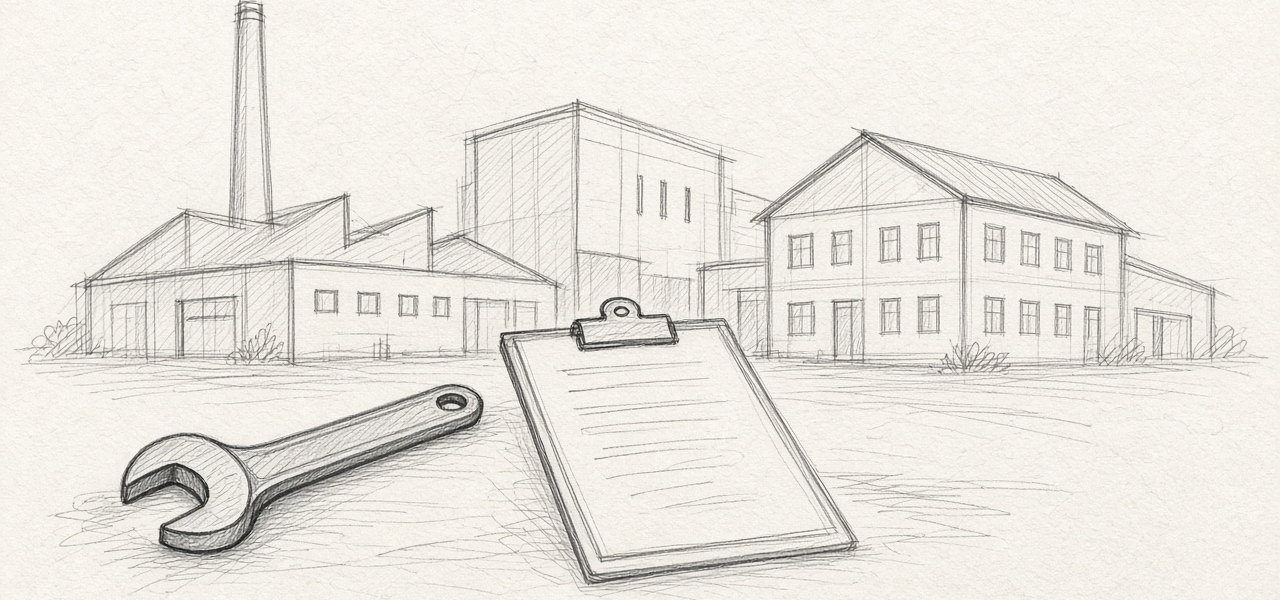
Walk through a hospital, a food plant, an apartment complex, or a busy warehouse. Behind the scenes, someone keeps lights on, belts moving, air cool, and water flowing. When that work slips, everyone notices. When it goes well, almost nobody talks about it.
That quiet importance is why maintenance careers stay in demand. This article explains the real reasons—without made-up numbers—and what that means if you are choosing a path or changing careers.
Machines and buildings do not take care of themselves
Every workplace depends on physical systems:
- Motors, pumps, and conveyors
- HVAC and refrigeration
- Electrical panels and controls
- Plumbing, doors, lifts, and safety systems
New gear still needs checks. Old gear needs repairs. Software may help with alerts, but a skilled person still has to diagnose, replace parts, and test the fix.
Demand stays strong because the work is tied to real assets that age every day.
Downtime is expensive—so prevention is a job
When a line stops, product stops. When a hotel’s heat fails in winter, guests leave. When a freezer dies, stock is at risk. Managers feel that pain fast.
So many employers invest in maintenance teams that catch problems early. They want people who can read a work order, spot wear, and fix issues before a full breakdown.
If you like solving puzzles with your hands and your head, that need is steady work.
The workforce is changing, and shops feel it
Many experienced technicians are retiring or moving into lighter roles. At the same time, plants and facilities still need coverage on nights, weekends, and callouts.
Younger workers often hear more about desk careers than trade careers. That gap leaves openings for people who train, show up, and keep learning.
You do not need a perfect story. You need skill, safety habits, and reliability.
Tech changed the toolbox—not the need for people
Maintenance today often includes:
- Tablets for work orders
- Sensors that flag heat or vibration
- Basic PLC and control troubleshooting
- Digital manuals and parts lists
Tools changed. The core job did not vanish. Someone still has to interpret the signal, lock out energy safely, and complete the repair.
People who mix hands-on skill with comfort around screens are especially useful.
Many industries hire the same core skills
A strong maintenance base transfers across places:
- Manufacturing and food plants
- Warehouses and logistics hubs
- Hospitals and labs
- Schools, offices, and campuses
- Housing and commercial property
- Energy and utilities support roles
You may specialize later—industrial electrician, HVAC tech, millwright-style mechanics, building engineer. Early on, shared skills (safety, troubleshooting, mechanical basics) open more doors than people expect.
The work rewards people who like variety
Some days are planned PM (preventive maintenance). Some days are urgent failures. You move between quiet inspection and fast problem-solving. You talk with operators, vendors, and supervisors. You leave with a clear result: it runs again.
That variety keeps many people in the field for decades. It also makes the role hard to fully automate.
What “in demand” means for you day to day
High demand does not mean every job is perfect. It means:
- More openings across regions and shifts
- Employers who will train for the right attitude
- Room to grow into lead, planner, or specialist roles
- Better leverage when you build a clean record of safe work
It also means employers notice gaps—no-shows, unsafe shortcuts, messy notes—faster than in some office jobs. Your reputation travels.
How to enter or level up without guessing
If you are new:
- Look at local trade programs, apprenticeships, or helper roles
- Learn lockout/tagout and basic electrical safety early
- Keep a simple log of machines you touched and what you fixed
- Ask for feedback after every messy job
If you already work in the field:
- Add one high-value skill this year (controls, HVAC, welding, predictive checks)
- Get comfortable writing clear close-out notes
- Cross-train so you are not stuck on only one machine family
- Consider facilities or industrial paths based on the lifestyle you want
For every stage:
Show up. Communicate. Leave the job safer than you found it.
A note on money and schedule
Pay and overtime vary by region, shift, and specialty. Night differentials and callouts can raise income. So can scarce skills. Ask clear questions in interviews about on-call rules, tool allowances, and training support. A busy job with chaos and no training is different from a busy job with a real crew and a plan.
Closing
Maintenance careers stay in demand because the physical world keeps needing care. Buildings open. Lines run. Tenants expect comfort. That will not stop next year.
If you want work with clear purpose and room to grow, browse openings on Maintenance Job. Look for roles that match your skills today—and the skills you want to build next.
The best maintenance people are not loud. They are trusted. That trust is why good techs rarely stay available for long.