
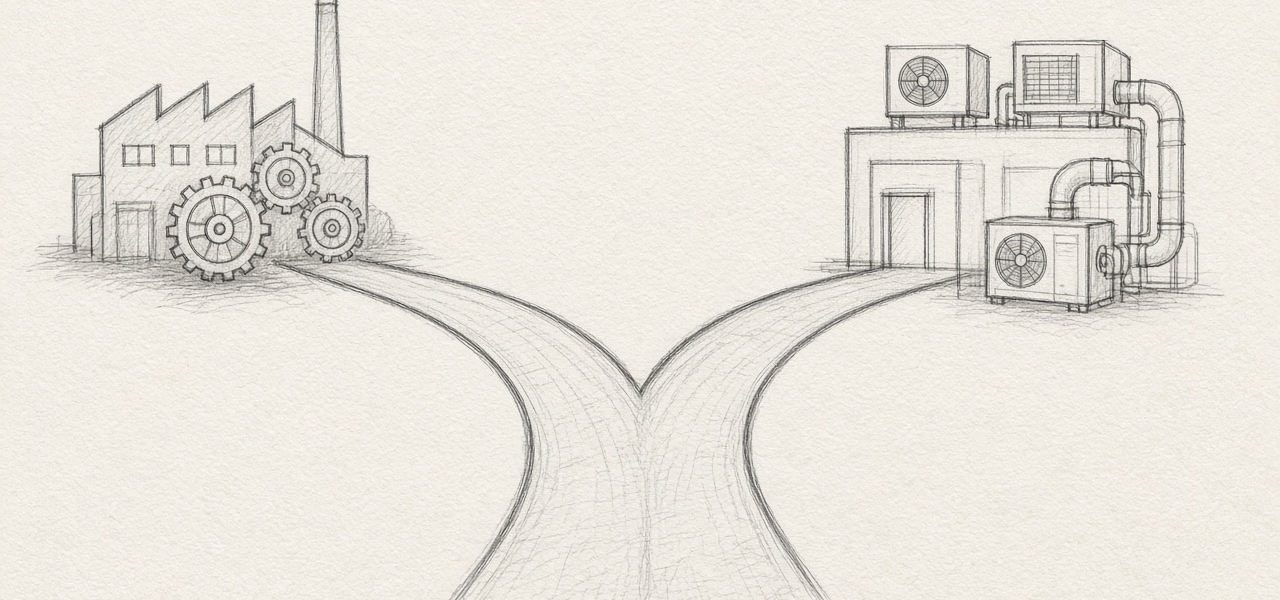
People say “maintenance” like it is one job. It is not. Fixing a packaging line at 2 a.m. feels different from keeping a campus comfortable for thousands of people during the day. Both matter. Both can pay well. They ask different things of your body, schedule, and learning plan.
This guide maps common paths in industrial and facilities maintenance so you can choose with open eyes—and grow without guessing.
Two big worlds, one shared foundation
Industrial maintenance supports production: plants, food processing, warehouses with heavy equipment, utilities on site. Success means uptime, quality, and safe resets after a stop.
Facilities maintenance supports buildings and the people in them: offices, hospitals, schools, apartments, hotels, mixed-use sites. Success means comfort, code compliance, tenant or patient experience, and reliable building systems.
Shared foundations include:
- Safety and lockout habits
- Reading work orders and schematics
- Mechanical basics
- Electrical awareness
- Clear communication at shift handoff
Your early skills can transfer. Your later specialty usually deepens in one world.
Industrial paths you will see often
Maintenance helper or apprentice
You learn the site, fetch parts, assist PMs, and build tool confidence. Best entry if you want paid learning.
Industrial maintenance technician
You troubleshoot mechanical and electrical issues on production gear. Expect conveyors, motors, pneumatics, and urgent line calls.
Specialist tracks
- Electrical / controls focus: panels, sensors, drives, basic PLC work
- Mechanical / millwright-style focus: alignment, fabrication support, rotating equipment
- Reliability support: vibration or oil checks, PM improvement, failure notes that prevent repeats
Lead, planner, or supervisor
You still know the tools, but you also schedule work, coach others, and fight parts delays. Some leads keep hands-on time. Some move mostly to planning.
Industrial sites often include shift work and tighter ties to production calendars.
Facilities paths you will see often
Facilities or building technician
You handle a mix of HVAC filters and repairs, plumbing calls, lighting, doors, and general building issues. Variety is high.
HVAC-focused technician
Comfort systems become your main craft. Hospitals and labs can add strict rules and documentation.
Building engineer / stationary engineer style roles
Larger buildings may need deeper knowledge of boilers, chillers, and complex mechanical rooms. Licensing rules vary by place—check local requirements.
Facilities lead or manager
You balance vendors, budgets, tenant requests, and preventive plans. People skills matter as much as tool skills.
Facilities roles often lean toward daytime coverage, with on-call rotations for emergencies. That is not always true—ask.
How to choose: lifestyle questions beat prestige
Ask yourself:
- Do I want deep machine expertise or broad building variety?
- Can I live with nights, rotating shifts, or frequent callouts?
- Do I prefer a loud production floor or public-facing spaces?
- Am I excited by controls and diagrams, or by systems that serve people all day?
- Where do I want to live—near plants, or near dense building markets?
There is no universal “better” path. There is a better fit for your sleep, family, and curiosity.
A simple growth ladder that works in both worlds
Stage 1 — Safe and useful
Master PPE, lockout, clean work areas, and finishing jobs you start. Be the person leads trust on basic PMs.
Stage 2 — Independent troubleshooting
Diagnose common failures without constant supervision. Write clear notes. Order the right parts the first time.
Stage 3 — Specialty depth
Pick a lane: electrical, HVAC, controls, welding support, or reliability methods. Become the go-to name for that lane.
Stage 4 — Multiply your impact
Train others, improve PM routes, reduce repeat failures, or step into lead/planner work.
You can stay happily at Stage 3 as a senior tech. Leadership is optional, not mandatory.
Skills that raise your options in 2026
Keep these practical—not trendy for trend’s sake:
- Reading and updating digital work orders
- Basic electrical testing and safe meter use
- One strong specialty (HVAC, controls, or mechanical)
- Plain-language updates for operators and managers
- Comfort learning new equipment manuals quickly
Certificates can help when they match the job. A certificate with no hands-on practice rarely beats real repair stories.
How to move between industrial and facilities later
It is possible. Tell a clear story:
- What systems you already know
- What safety culture you come from
- What you are ready to learn in the first 90 days
A plant tech moving into buildings may need more customer-facing patience. A facilities tech moving into industry may need faster production-pressure troubleshooting. Both are learnable with humility.
Practical next steps this month
- Shadow someone in the other path for a day if you can
- List the machines or building systems you already touch
- Choose one skill to deepen—not five
- Update your resume with repairs and outcomes, not only duties
- Ask interviewers about shift, on-call, parts support, and training
Your questions show maturity. Good employers welcome them.
Closing
Industrial and facilities maintenance both offer long careers with real purpose. One keeps production alive. The other keeps places livable and safe. Pick the path that fits your life, then grow on purpose.
When you are ready to explore open roles across both worlds, browse listings on Maintenance Job. Compare shifts, specialties, and sites—and choose work you can still be proud of five years from now.
A good career in maintenance is less about a fancy title and more about trust earned one solid repair at a time.